If you have ever stood outside a Burger King in Toronto, Calgary, or Mississauga wondering whether you can order the Whopper without breaking your halal diet, you are not alone. Is Burger King Halal in Canada is one of the most searched questions among Muslim fast food fans, and the answer matters more than a quick guess. This article breaks down what halal actually means, how Burger King Canada handles its meat, and what you should do before you place an order.
What Halal Actually Means
Halal is an Arabic word that means permissible under Islamic law. When it comes to food, halal rules cover more than just avoiding pork. The animal must be slaughtered in a specific way, known as zabiha, and the meat cannot come into contact with alcohol, pork products, or anything considered impure during preparation. Cooking equipment, oils, and even storage areas need to stay separate from non-halal items for a restaurant to earn a genuine halal label.
This is why halal certification exists. It gives customers a way to trust that a restaurant follows these rules from the farm to the fryer, rather than just taking a business at its word.
Does Burger King Canada Have Halal Certification?
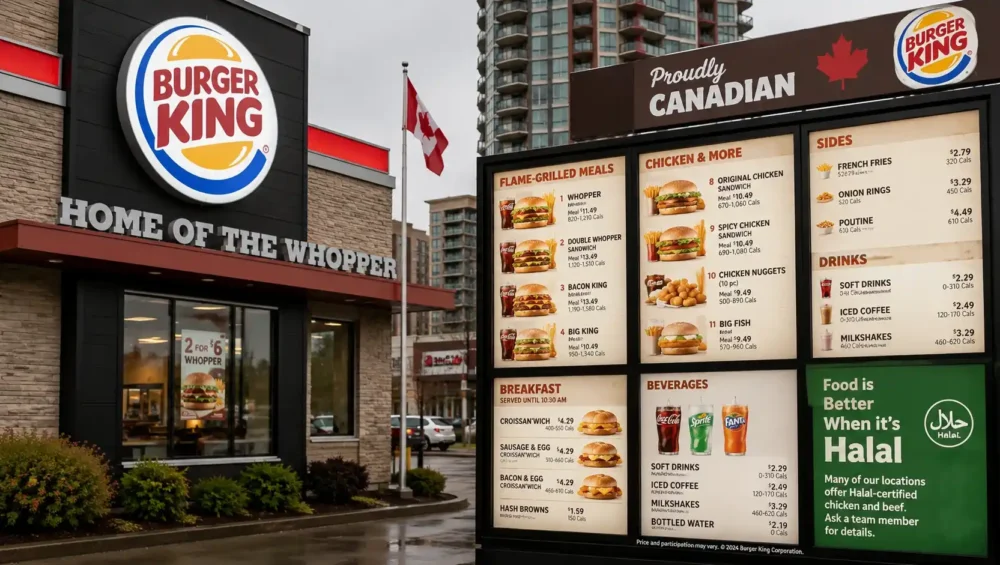
Right now, Burger King does not hold halal certification in Canada. There is no chain wide program, no partnership with a recognized halal body, and no official statement from the company claiming halal status for its Canadian locations. This puts Canada in the same category as the United States, where Burger King also operates without halal certification.
Some fast food chains, like certain KFC locations in parts of Ontario, have moved toward halal menus to serve local communities. Burger King has not followed that path in Canada. Individual franchise owners do not have the authority to declare their location halal on their own, since certification requires an outside audit from a recognized halal certifying body.
Where Does Burger King Canada Source Its Meat?
Burger King Canada buys its beef and chicken from conventional suppliers, the same type of suppliers used across most of North America. These suppliers do not follow zabiha slaughter methods. Instead, they use standard commercial processing that is common throughout the Canadian meat industry.
Without a halal certified supply chain, there is no way to guarantee that the meat meets Islamic dietary requirements, no matter how the burger is cooked or served. This single fact is really the core reason behind the whole debate.
Why Burger King Canada Is Not Considered Halal
There are a few clear reasons why Muslims and halal food experts do not treat Burger King Canada as a halal option.
- The meat does not come from zabiha certified suppliers.
- There is no third party halal certification body auditing Canadian locations.
- Grills, fryers, and prep stations are shared between all menu items, including bacon and pork based products.
- Burger King Canada has never made an official public claim of being halal.
- Franchise owners cannot self certify their restaurant as halal without outside verification.
Any one of these points would be enough to raise doubt. Together, they make it pretty clear that Burger King in Canada does not meet the standard that halal conscious customers expect.
Cross Contamination Is a Real Concern
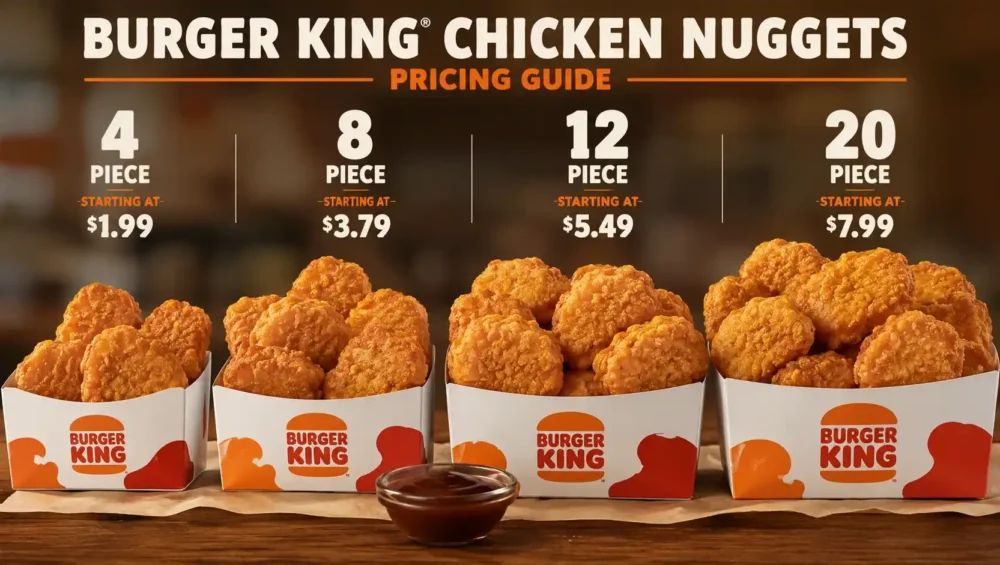
Even if a specific item sounds like it could be halal, the way Burger King kitchens work creates another problem. Bacon is cooked on the same grills used for beef and chicken patties. Fryers used for chicken nuggets may also cook items that touch pork based ingredients. This kind of shared equipment is common in fast food kitchens built for speed, not religious dietary compliance.
For someone who follows halal guidelines strictly, this cross contamination risk matters just as much as the meat sourcing itself. It is one more reason why a plain beef burger is not automatically a safe choice.
What About Vegetarian and Plant Based Options?
If you are looking for something you can order with more confidence, Burger King Canada does offer plant based items. The Impossible Whopper, made with a plant based patty, is one option that avoids the meat sourcing issue entirely. Fries at some locations may also be cooked separately, though this can vary by location and should be confirmed with staff.
Keep in mind that even plant based items can face cross contamination risks if they are prepared using the same grills or fryers as meat products. If this is a serious concern for you, it is worth asking the staff directly how items are prepared before ordering.
Are There Any Halal Burger King Locations in Canada?
As of now, there are no officially certified halal Burger King locations in Canada. You may come across social media posts or online claims suggesting otherwise, especially in cities with large Muslim populations like Toronto or Mississauga. It is worth treating these claims carefully. Without a certificate posted in the restaurant or confirmation from a recognized halal authority, these claims are not reliable.
This is different from countries like Malaysia, the United Arab Emirates, or Pakistan, where Burger King operates fully halal certified locations as standard practice. Canada has not seen this same shift.
How to Check Before You Order
If you still want to visit Burger King and need peace of mind, a few simple steps can help.
- Look for a visible halal certificate near the entrance or at the counter.
- Ask staff directly whether the location holds halal certification, rather than assuming based on the menu.
- Check the official Burger King Canada website or app for any updated halal policy.
- Search for the specific location name along with the word halal to see if other customers have shared recent updates.
- When in doubt, choose a clearly labeled vegetarian or plant based item instead of guessing.
These steps will not guarantee a perfect answer every time, but they give you a much better chance of avoiding a mistake.
Burger King Halal Status Around the World
Understanding how Burger King operates in other countries helps put the Canadian situation into context.
- Saudi Arabia, UAE, Malaysia, Turkey, Indonesia, and Pakistan run fully halal certified Burger King locations with pork removed from the menu entirely.
- India offers halal certified beef and chicken at most outlets to match local demand.
- The United Kingdom has tested halal options at a small number of locations, but most restaurants remain non halal.
- The United States and Canada both operate without halal certification at any corporate or franchise level.
- Countries like Georgia and Albania source meat from halal suppliers in some cases, though without a full chain wide certificate.
This pattern shows that Burger King is fully capable of running halal certified restaurants when local demand and business decisions line up. In Canada, that shift simply has not happened yet.
What Muslims in Canada Are Saying
Online conversations from Muslim communities in Canada reflect a mix of frustration and caution. Many people say they avoid Burger King altogether and stick to restaurants with clear halal certification instead. Others choose to eat only the plant based items when they do visit. A smaller group takes a more relaxed approach, reasoning that beef and chicken without pork contact may be acceptable to them personally, even without formal certification.
This really comes down to personal comfort level and how strictly someone follows halal guidelines. There is no single right answer that applies to everyone, but having accurate information makes that personal decision much easier.
Final Thoughts
So, is Burger King halal in Canada? Based on everything available right now, the answer is no. There is no halal certification, no zabiha sourced meat, and no official halal claim from the company for its Canadian locations. If halal compliance matters to you, your safest bet is to choose a certified halal restaurant, stick to clearly plant based menu items, or reach out to your local Burger King directly before you order.
Halal dining does not have to be complicated once you know what to look for. A little research before you order can save you from guessing later.